The Power of Not Fixing: 5 Counter-Intuitive Lessons from the Playroom고치려 하지 않는 힘: 놀이치료실에서 배우는 5가지 역설적인 교훈
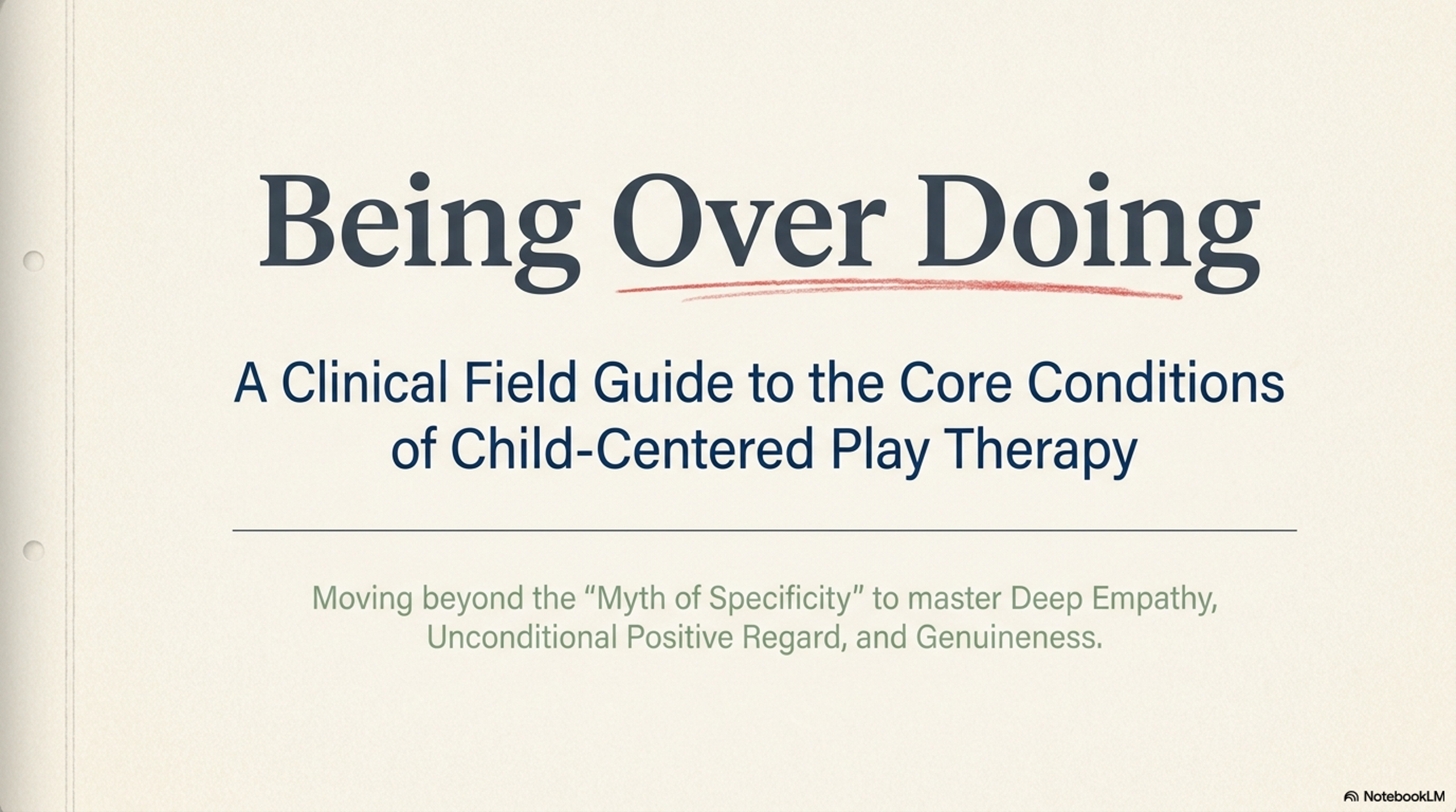
When a child is in distress, our adult instincts scream at us to do something.
아이가 힘들어할 때, 어른인 우리는 본능적으로 무언가를 해야 한다고 느낍니다.
We see a five-year-old in the middle of a “Jekyll and Hyde” tantrum, or a student who has retreated into a wall of silence, and we feel a desperate urge to fix the behavior. We want to offer advice, set stricter rules, or solve the problem so life can return to “normal.”
다섯 살 아이가 마치 “지킬 박사와 하이드”처럼 감정 폭발을 일으키거나, 학생이 침묵의 벽 뒤로 숨어버리는 모습을 보면 우리는 그 행동을 “고쳐야 한다”는 강한 충동을 느낍니다. 조언해 주고 싶고, 더 엄격한 규칙을 세우고 싶고, 문제를 해결해서 다시 일상이 “정상”으로 돌아오기를 바랍니다.
Even experts struggle with this impulse.
전문가들조차 이런 충동에서 자유롭지 않습니다.
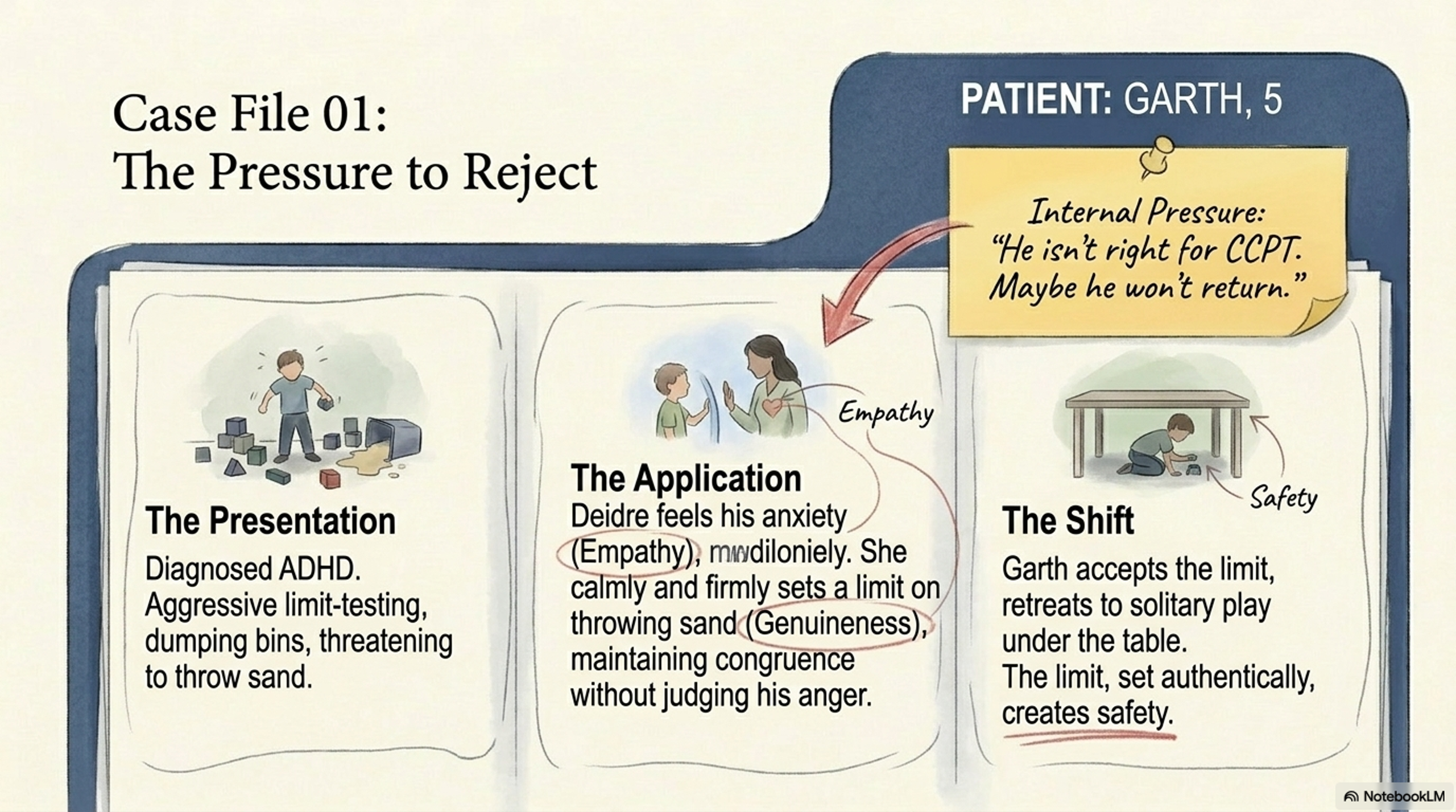
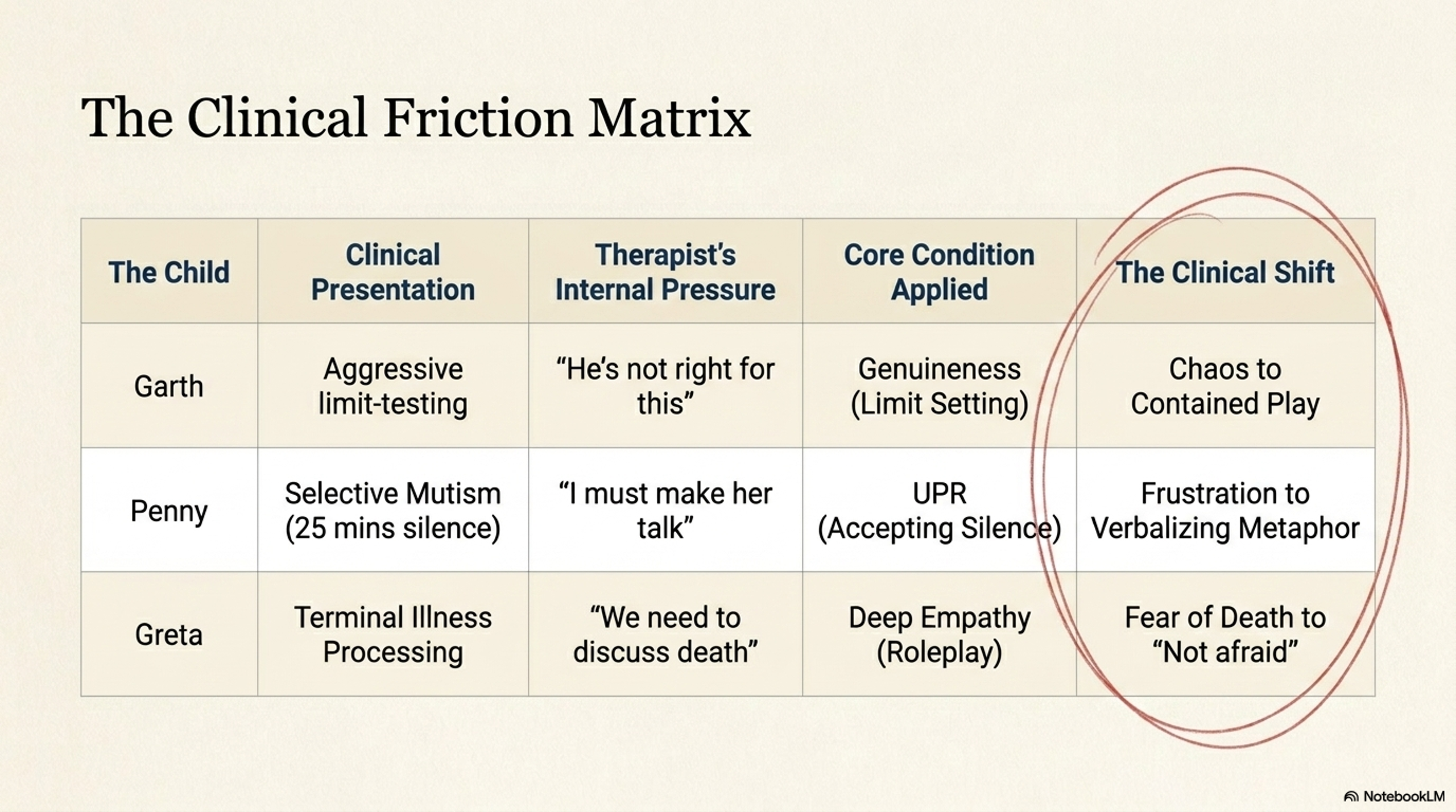
Deidre, a student therapist, froze when young Garth swept a bin of blocks across the floor. Her mind raced for a rule to enforce while she sensed a “dark cloud” of anxiety hanging over him.
놀이치료를 배우던 학생 치료사 디드리(Deidre)는 어린 가스(Garth)가 블록 상자를 바닥으로 쓸어버렸을 때 얼어붙었습니다. 머릿속은 규칙을 떠올리느라 복잡했지만 동시에 아이 주변에 드리워진 불안의 “어두운 구름”을 느끼고 있었습니다.
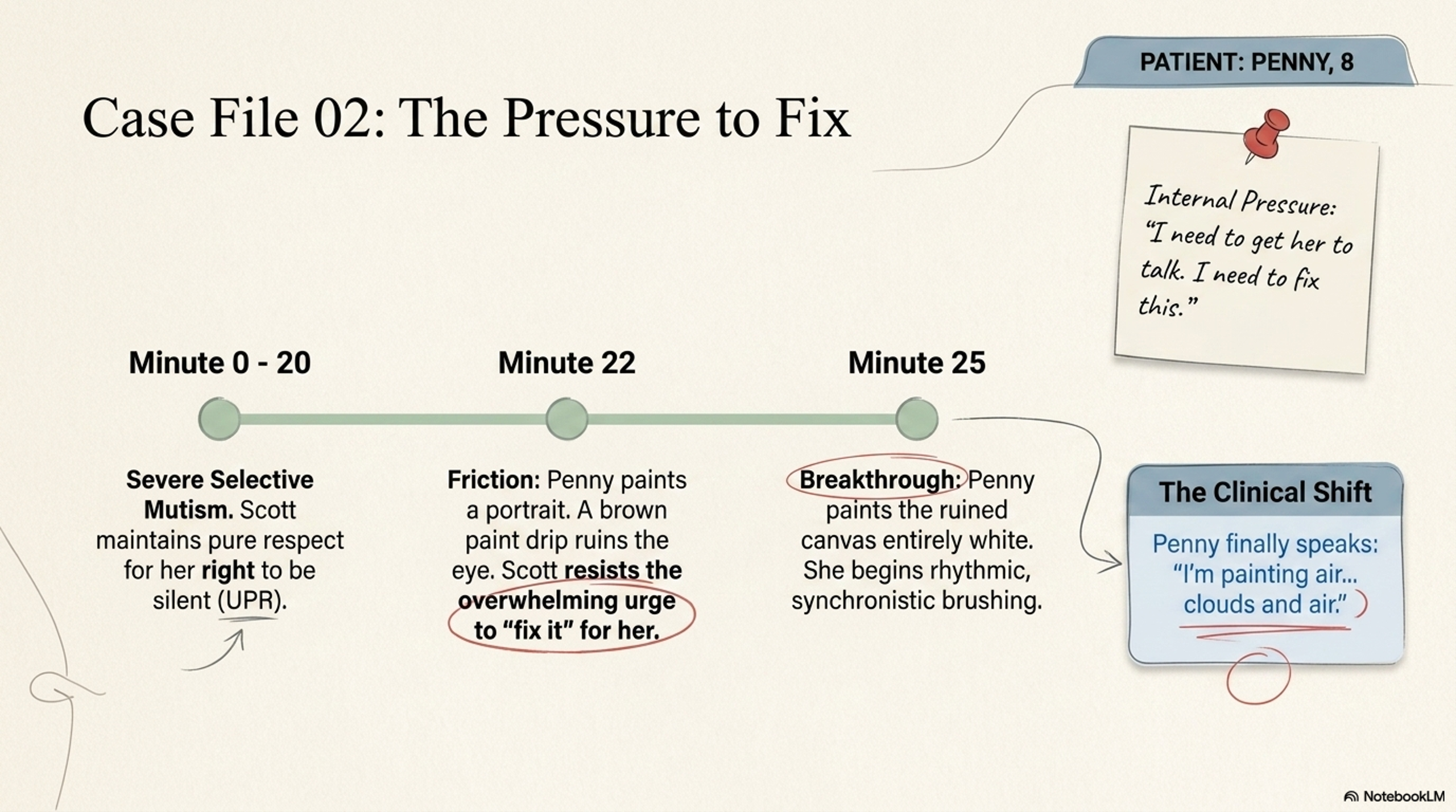
Scott, another trainee, felt mounting pressure to get a painfully shy girl named Penny to speak.
또 다른 수련생 스콧(Scott)은 극도로 수줍어하는 페니(Penny)에게 말을 시켜야 한다는 압박감을 느꼈습니다.
Yi-ying worried that her accent and limited verbal interaction were failing a young girl facing a life-threatening illness.
이잉(Yi-ying)은 자신의 강한 억양과 적은 말이 생명을 위협하는 병을 가진 아이를 충분히 돕지 못하고 있는 것은 아닌지 걱정했습니다.
They quickly learned something important:
그들은 곧 중요한 사실을 깨달았습니다.
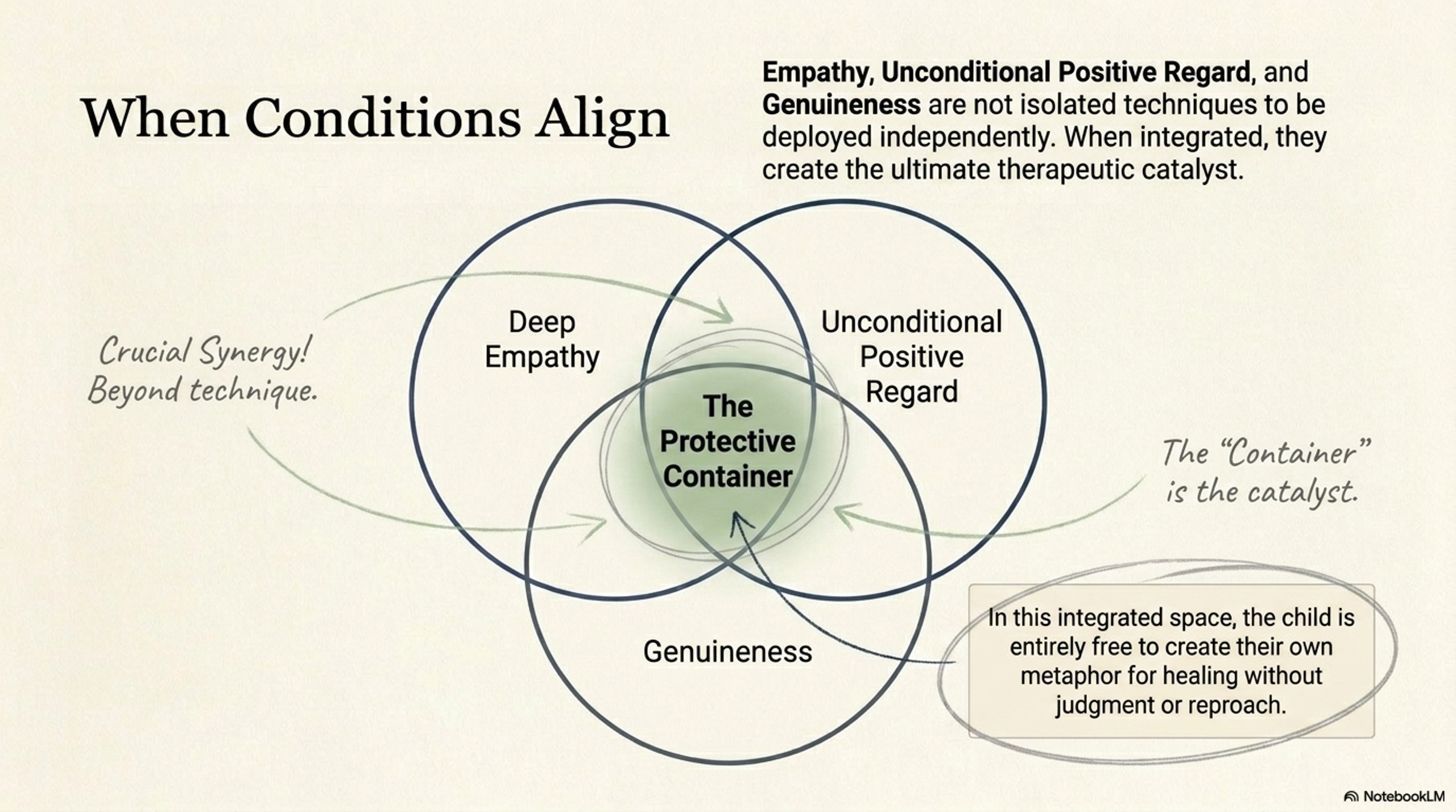
Helping a child isn’t mainly about mastering techniques—it’s about mastering a “way of being.”
아이를 돕는 가장 어려운 부분은 기술을 익히는 것이 아니라 ‘존재하는 방식(way of being)’을 배우는 것입니다.
Child-Centered Play Therapy (CCPT)
아동중심 놀이치료(CCPT)
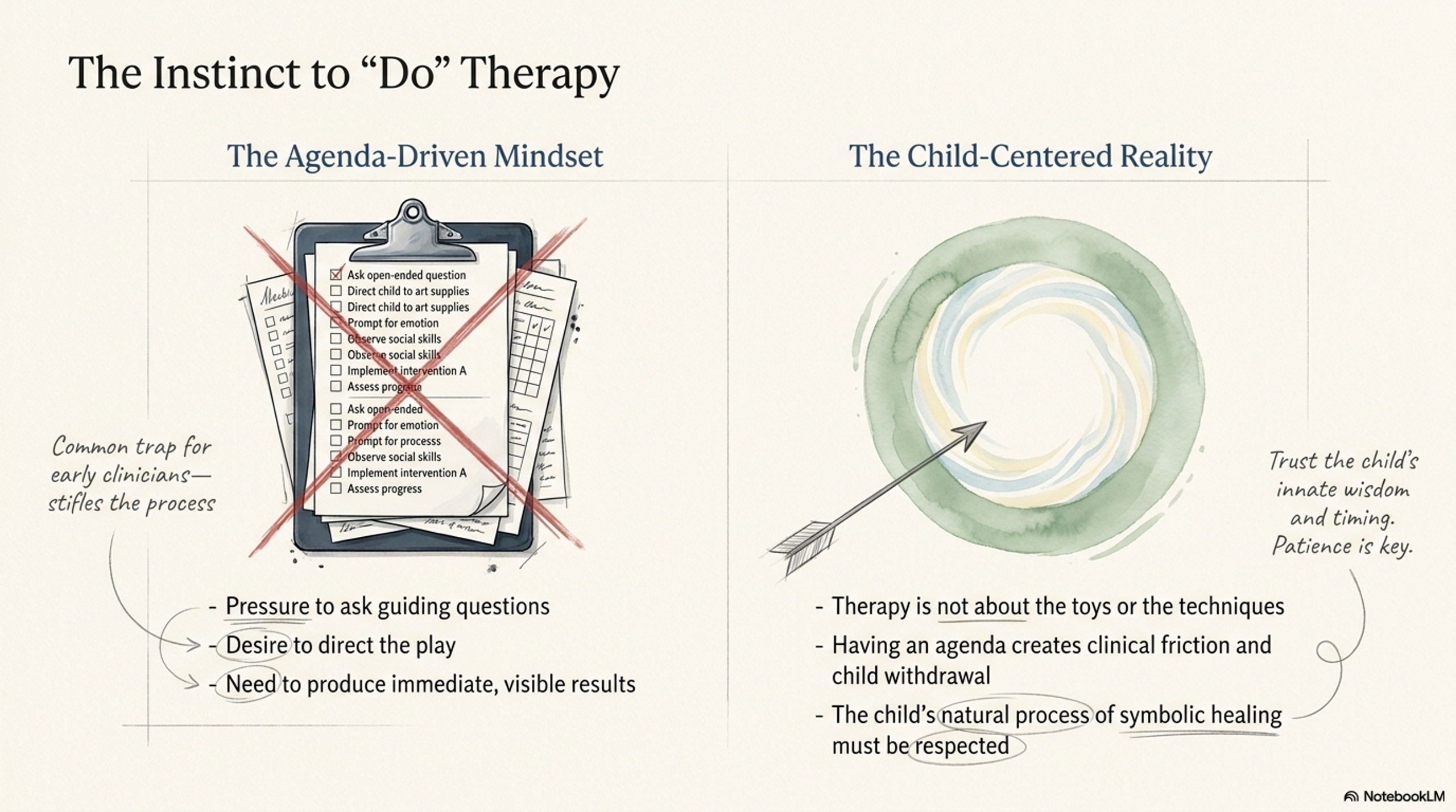
CCPT is not a collection of tricks to make children behave differently.
아동중심 놀이치료는 아이의 행동을 바꾸기 위한 기술 모음이 아닙니다.
It is a philosophical approach that challenges adults’ need to lead and control.
오히려 어른이 이끌고 통제해야 한다는 생각 자체에 도전하는 철학적 접근입니다.
Through observing therapists struggle, we uncover five counter-intuitive lessons.
치료사들이 어려움을 겪는 모습을 통해 우리는 다섯 가지 역설적인 교훈을 발견할 수 있습니다.
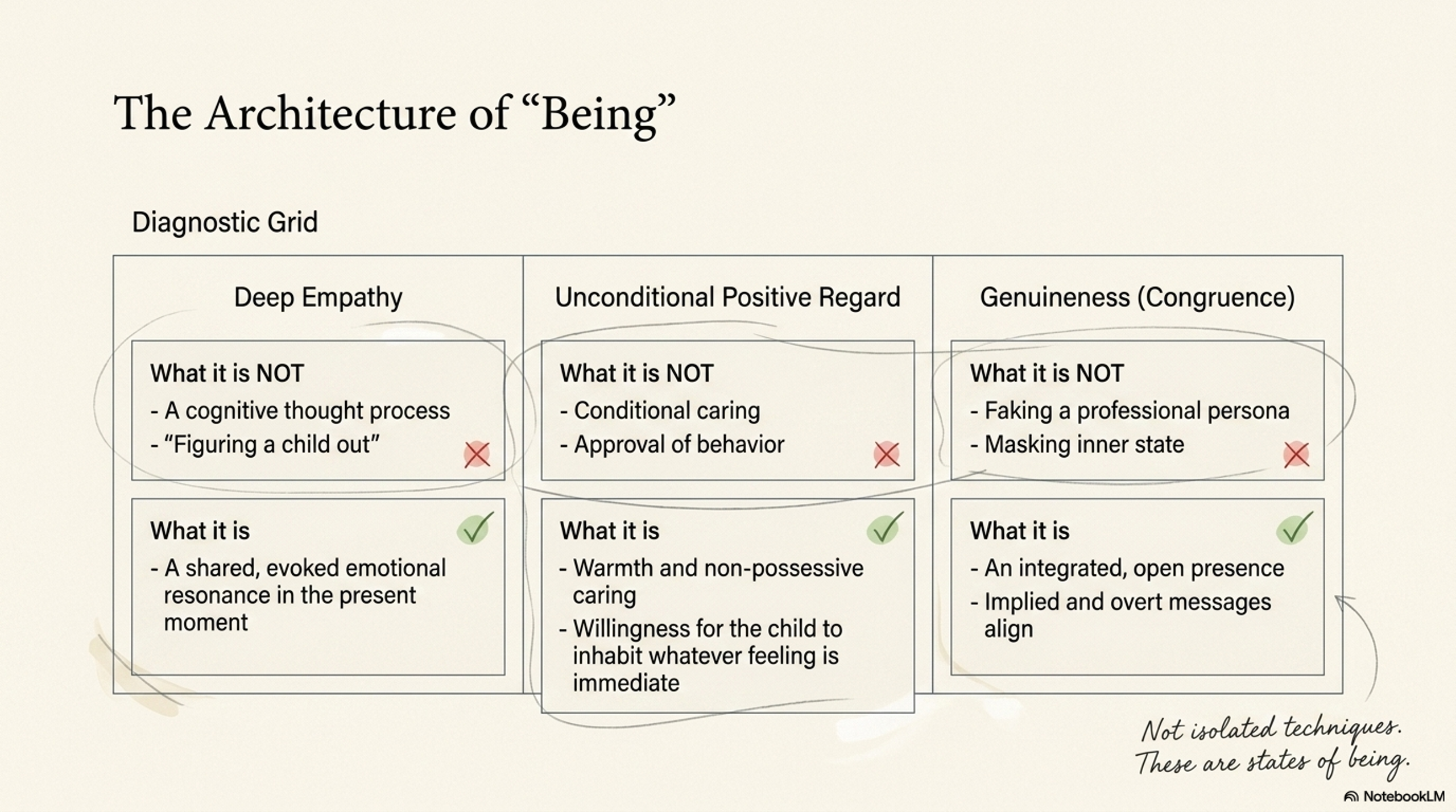
1. Empathy is a Feeling, Not a Thought Process
1. 공감은 ‘생각’이 아니라 ‘느낌’이다
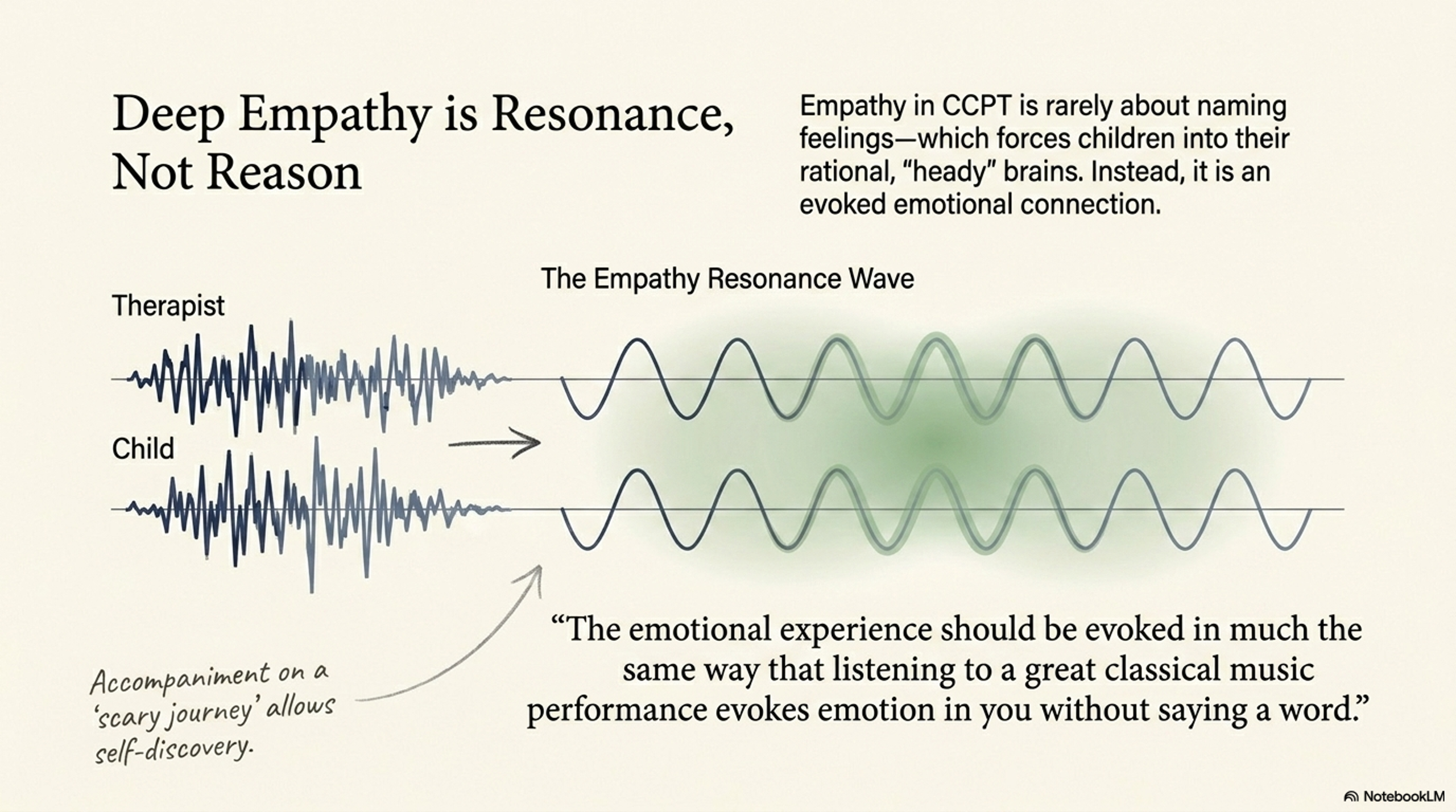
Most adults treat empathy like a puzzle to solve.
대부분의 어른들은 공감을 마치 풀어야 할 문제처럼 생각합니다.
We analyze a child’s behavior and try to figure out what they feel.
우리는 아이의 행동을 분석하며 “지금 무슨 감정일까?”를 알아내려 합니다.
But CCPT argues that this analytical approach creates distance.
그러나 CCPT는 이런 분석적 접근이 오히려 거리감을 만든다고 말합니다.
Instead, empathy should be sensed.
공감은 분석하는 것이 아니라 ‘느껴지는 것’이어야 합니다.
Like babies or animals sensing an adult’s mood without words.
마치 아기나 동물이 말 없이도 어른의 감정을 알아차리는 것처럼 말입니다.
Therapeutic connection is less like diagnosis and more like listening to beautiful music.
치료적 연결은 진단을 내리는 과정보다 아름다운 음악을 듣는 경험에 더 가깝습니다.
Children often refuse to visit painful places inside themselves alone.
아이들은 혼자서는 자신의 두렵고 힘든 내면으로 들어가기를 거부하는 경우가 많습니다.
Your presence—not your analysis—helps them go there.
그곳으로 들어갈 용기를 주는 것은 분석이 아니라 ‘함께 있어주는 존재’입니다.
2. The Surprising Downside of Naming Feelings
2. 감정을 이름 붙이는 것의 예상 밖 단점
“Naming it to tame it” is common parenting advice.
“감정에 이름을 붙이면 조절할 수 있다”는 말은 흔한 양육 조언입니다.
But CCPT suggests too much labeling can interrupt healing.
그러나 CCPT는 지나친 감정 이름 붙이기가 오히려 치유를 방해할 수 있다고 말합니다.
Children are naturally connected to emotional energy.
아이들은 본래 감정의 흐름과 깊게 연결되어 있습니다.
If we constantly say:
우리가 계속해서 말합니다.
“You’re frustrated.”
“You’re angry.”
“You’re sad.”
“너 화났구나.”
“속상했구나.”
“답답했구나.”
We may accidentally pull children out of their experience.
우리는 아이를 자신의 경험 속에서 끌어내 버릴 수도 있습니다.
Too many words push children into their thinking brain.
너무 많은 말은 아이를 현재 경험에서 벗어나 머리로 생각하게 만듭니다.
Instead of commenting, therapists learn to accompany.
그래서 치료사는 해설자가 아니라 ‘동행자’가 되는 법을 배웁니다.
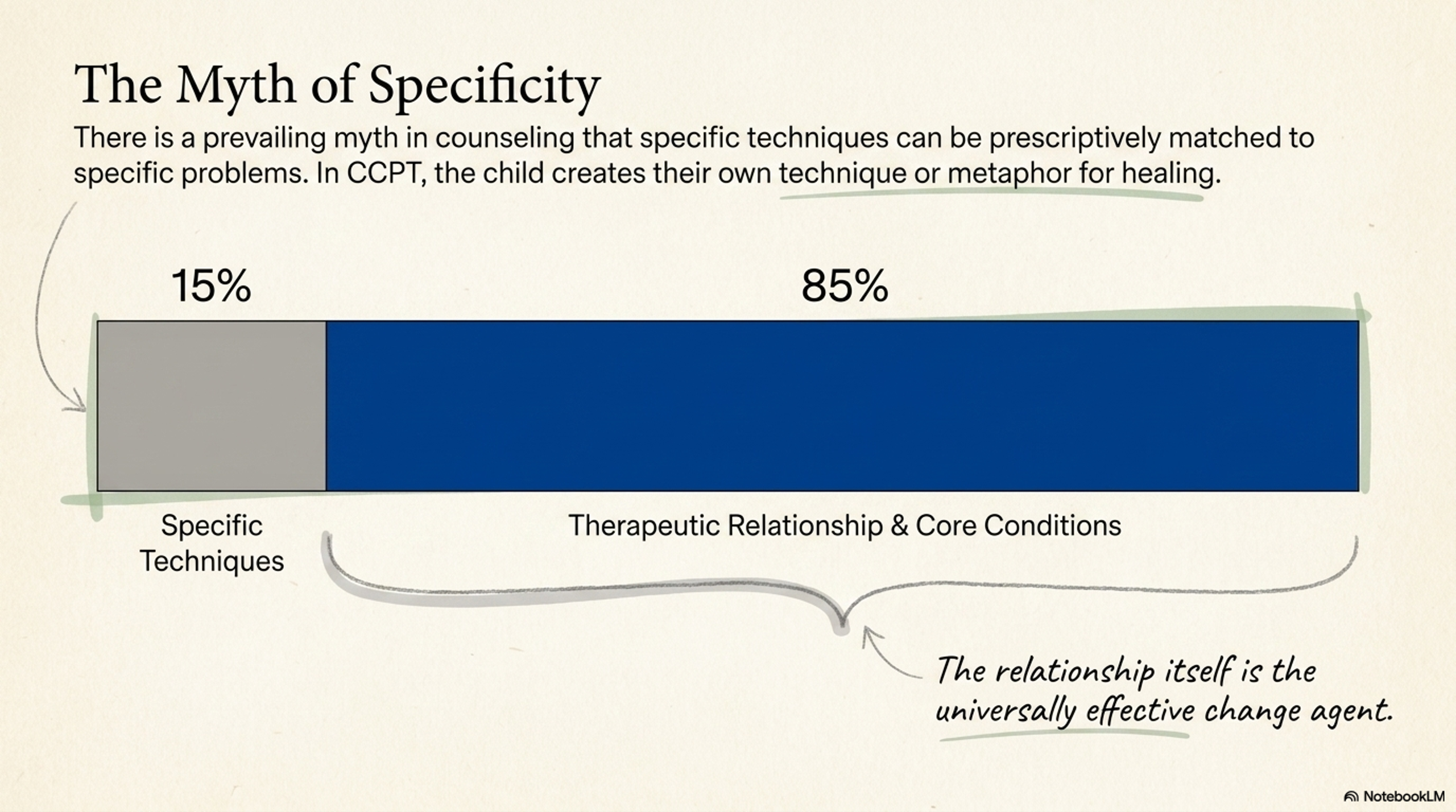
3. Techniques Only Matter 5–15% of the Time
3. 기술은 실제로 5~15%만 중요하다
Modern psychology often assumes the right technique solves problems.
현대 심리학은 종종 올바른 기술이 문제를 해결한다고 생각합니다.
Research suggests otherwise.
그러나 연구는 다른 이야기를 합니다.
Specific techniques explain only 5–15% of improvement.
특정 기법은 치료 효과의 5~15% 정도만 설명합니다.
The relationship itself matters most.
가장 중요한 것은 관계 자체입니다.
When safety and understanding exist, children naturally move toward healing.
안전함과 이해받는 경험이 있을 때 아이는 자연스럽게 치유를 향해 나아갑니다.
Play becomes their language.
놀이가 아이들의 언어가 됩니다.
The therapist doesn’t create healing.
치료사가 치유를 만들어내는 것이 아닙니다.
The child does.
아이 스스로가 해냅니다.
4. Children Are Human Lie Detectors
4. 아이들은 인간 거짓말 탐지기다
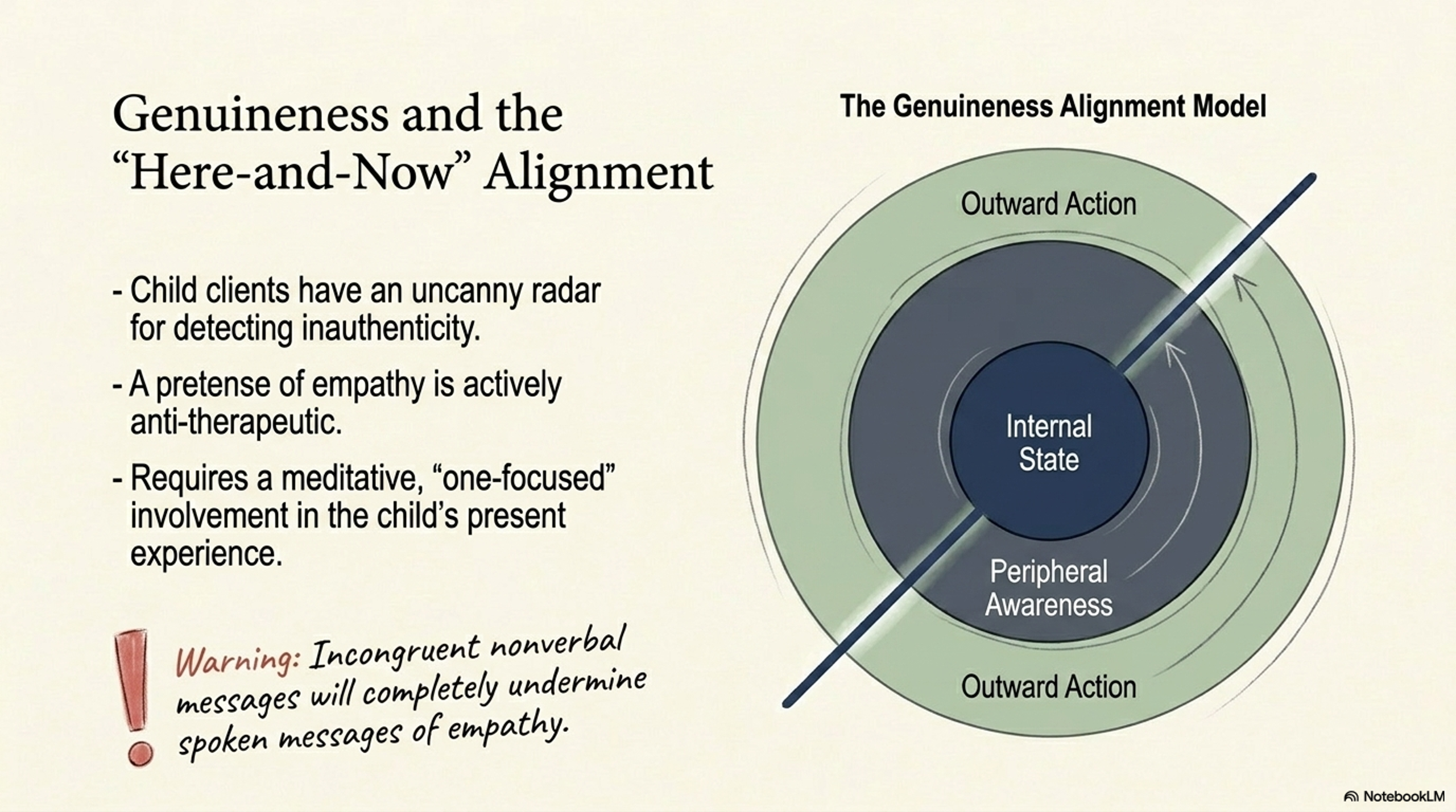
You cannot fake caring.
아이들은 진심 없는 관심을 금방 알아챕니다.
They know when adults pretend.
어른이 이해하는 척하거나 공감하는 척하면 아이는 느낍니다.
Authenticity matters.
진정성은 필수입니다.
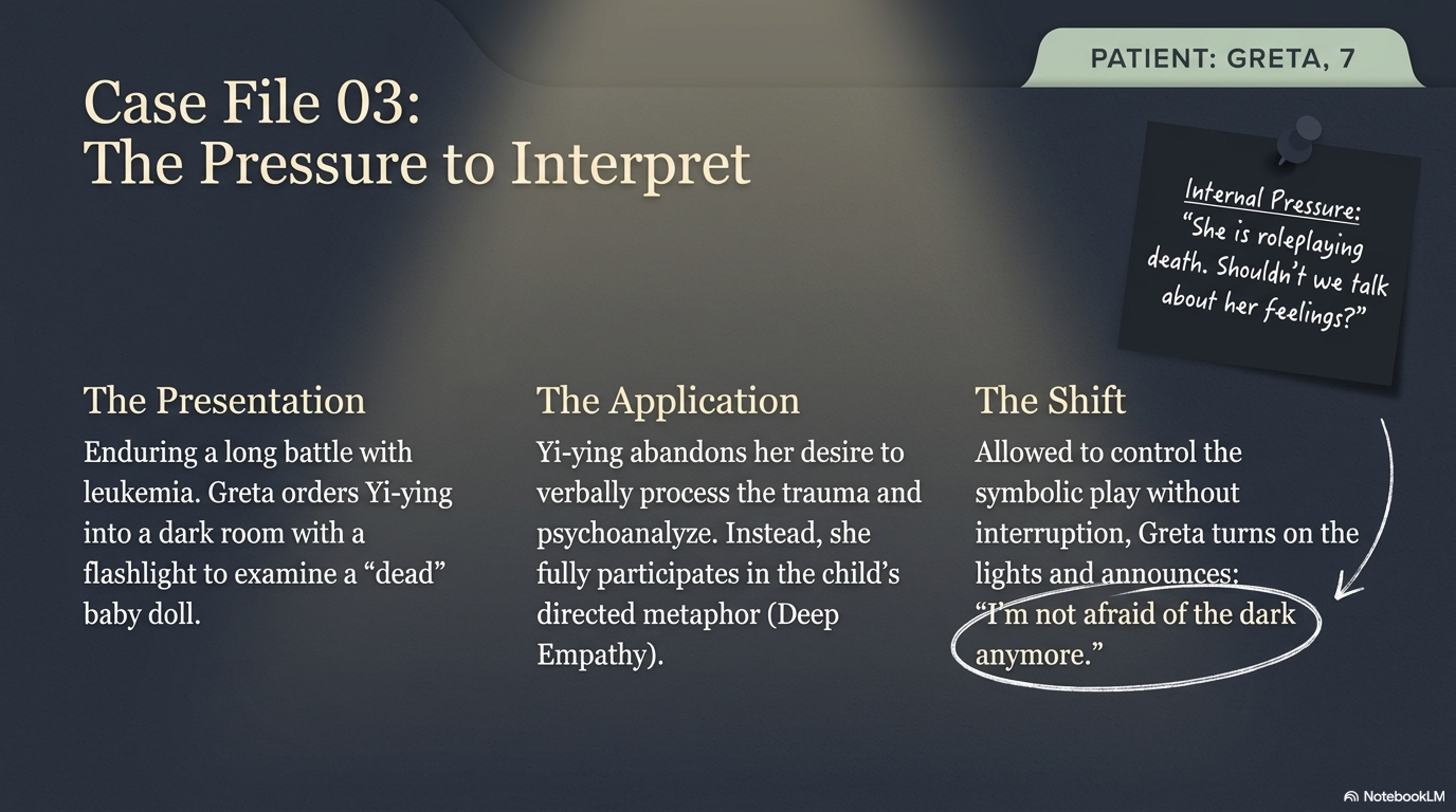
Yi-ying worked with Greta, a seven-year-old hospitalized 35 times for leukemia.
이잉은 백혈병으로 35번 입원했던 일곱 살 그레타(Greta)를 만났습니다.
One day Greta wanted to play a scene where a baby doll died.
어느 날 그레타는 인형 아기가 죽는 장면을 놀이로 표현했습니다.
Yi-ying felt emotional.
이잉은 마음이 크게 흔들렸습니다.
But she stayed.
그러나 도망가지 않았습니다.
She didn’t try to cheer Greta up.
억지로 위로하려 하지 않았습니다.
She stayed present.
그저 함께 있어 주었습니다.
Eventually Greta said:
결국 그레타는 말했습니다.
“I’m not afraid of the dark anymore.”
“이제 나는 어둠이 무섭지 않아.”
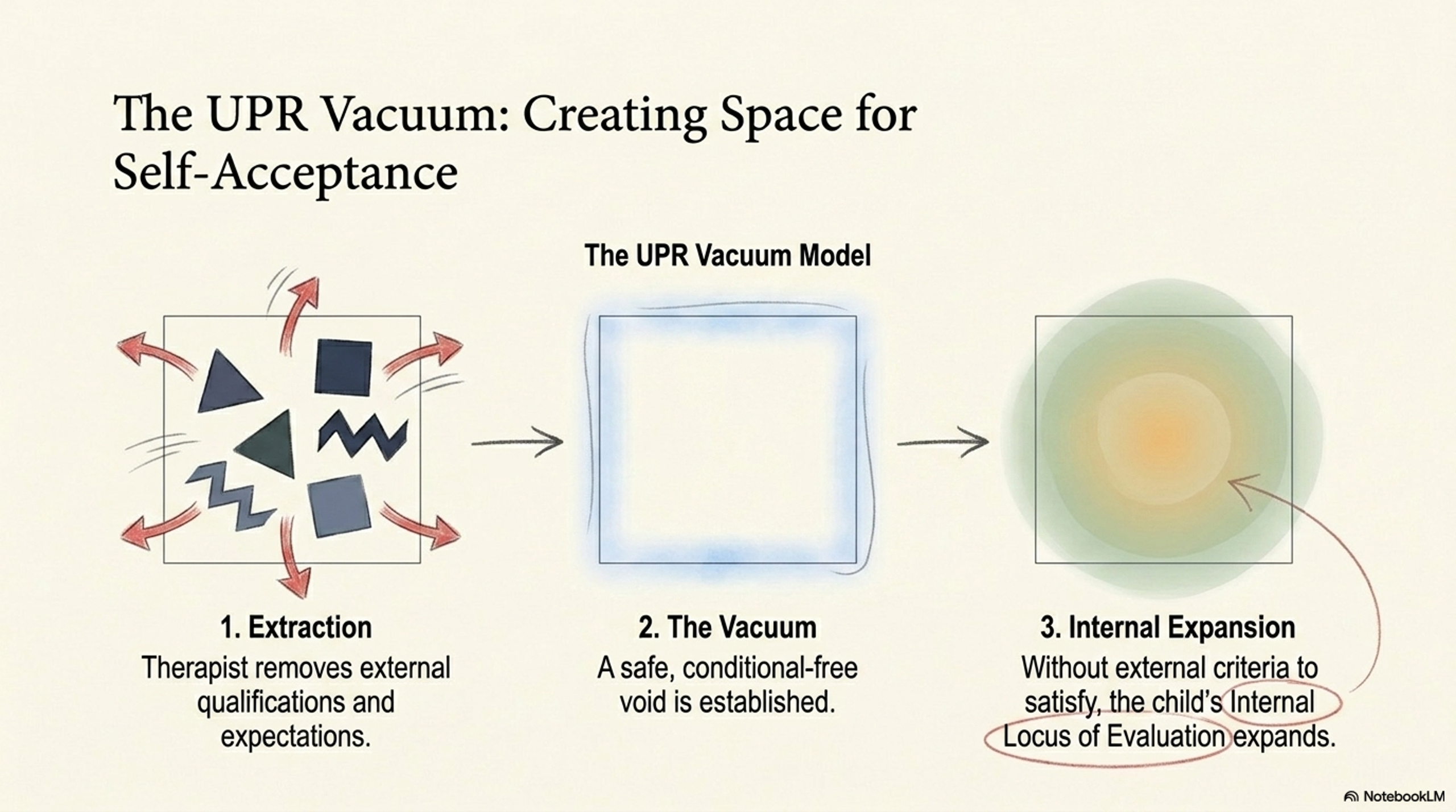
5. Unconditional Regard Creates Space for Growth
5. 무조건적인 존중은 성장의 공간을 만든다
“I care about you—not only when you behave well.”
“네가 잘할 때만이 아니라, 있는 그대로의 너를 소중히 여긴다.”
CCPT calls this “prizing.”
CCPT에서는 이를 ‘존중과 수용(prizing)’이라고 부릅니다.
When adults stop rewarding, fixing, or controlling—
어른이 보상하고, 고치고, 통제하려는 것을 내려놓을 때—
Children begin looking inward.
아이들은 자기 안을 들여다보기 시작합니다.
Scott worked with Penny, who rarely spoke.
스콧은 거의 말을 하지 않는 페니와 함께했습니다.
He wanted desperately for her to talk.
그는 페니가 말해주기를 간절히 바랐습니다.
But he waited.
그러나 기다렸습니다.
Weeks later, Penny finally whispered:
몇 주 후 페니는 마침내 말했습니다.
“I’m painting air… clouds and air.”
“나는 공기를 그리고 있어… 구름과 공기를.”
Because Scott didn’t force words—
스콧이 말을 강요하지 않았기 때문에—
Penny found them herself.
페니는 스스로 자신의 말을 찾아낼 수 있었습니다.
The Unexpected Benefit: Healing the Adult Too
뜻밖의 보너스: 어른도 함께 치유된다
Many therapists discover something surprising.
많은 치료사들은 놀라운 사실을 발견합니다.
These sessions aren’t only healing for children.
이 시간은 아이만 치유하는 것이 아닙니다.
They heal adults too.
어른도 함께 치유됩니다.
Being fully present forces adults to regulate themselves.
온전히 현재에 머무는 경험은 어른 스스로를 안정시키게 만듭니다.
Letting go of control creates calm.
통제를 내려놓는 순간 평온함이 찾아옵니다.
Helping a child regulate their world begins with regulating our own.
아이를 안정시키기 위해서는 먼저 우리 자신을 안정시키는 것이 시작입니다.
Conclusion: A Way of Being
결론: 중요한 것은 ‘존재하는 방식’이다
The ideal therapist isn’t the person with the most techniques.
가장 좋은 치료사는 기술이 가장 많은 사람이 아닙니다.
It is the person brave enough to let the child lead.
아이가 길을 이끌도록 용기 있게 기다려줄 수 있는 사람입니다.
Even when the path is messy.
길이 혼란스럽고,
Confusing.
이해되지 않고,
Or silent.
침묵으로 가득 차 있어도 말입니다.
Perhaps the challenge for all of us is this:
우리 모두에게 주어지는 질문은 이것입니다.
Are you trying to fix people you love—
or are you brave enough to simply sit with them in the dark?
당신은 사랑하는 사람을 고치려 하고 있나요—
아니면 그들의 어둠 속에 함께 조용히 앉아줄 만큼 용감한가요?