치유의 적정(滴定): 학대 후유증에 대한 6가지 심오한 통찰
The Titration of Healing: 6 Profound Insights into the Aftermath of Abuse
인간의 회복력은 깊은 역경의 잔해 속에서 개인이 어떻게 길을 찾아가는지에 대한 근원적인 경이로움을 자아냅니다. 그러나 전문가로서 제가 관찰한 학대의 ‘후유증’은 단일하고 정적인 사건이 아닙니다. 그것은 초기 위협이 사라진 후에도 오랫동안 지속되는 복잡하고 층층이 쌓인 **‘보이지 않는 구조’**입니다. 생존은 단순히 상황을 벗어나는 것이 아닙니다. 사건 그 자체보다 훨씬 더 복잡한 현실을 처리해 나가는 과정입니다.
Human resilience is a subject of enduring curiosity, sparking a deep-seated wonder regarding how individuals navigate the wreckage of profound adversity. However, as a specialist in the field, I observe that the "aftermath" of abuse is rarely a single, static event. Instead, it is a complex, layered "invisible architecture" that persists long after the initial threat has vanished.
통찰 1: 신체를 넘어선 범죄 (The Crime Beyond the Physical)
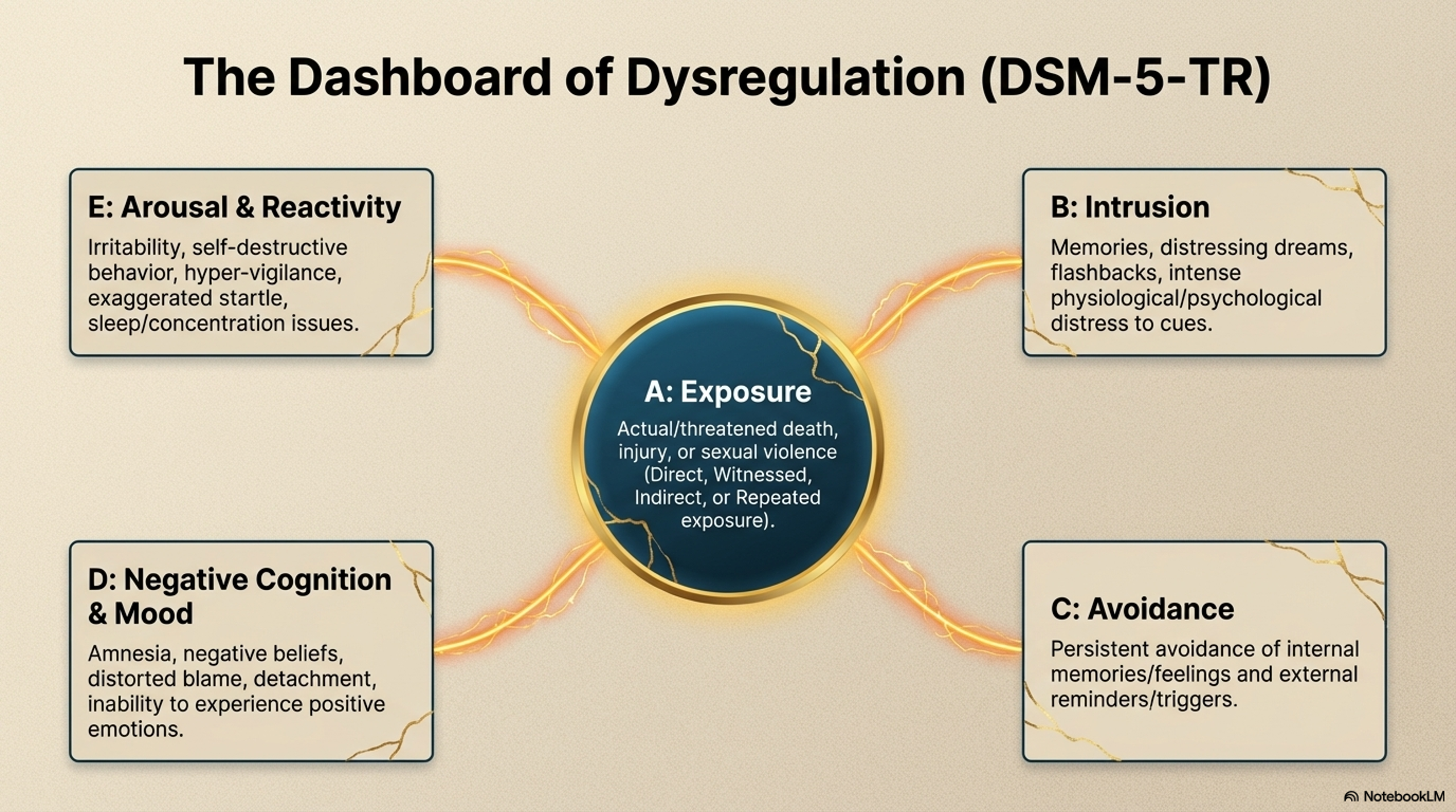
학대의 영향은 종종 눈에 보이는 흔적으로 측정되지만, 가장 깊은 상처는 육안을 피하는 경우가 많습니다. 제리 선더스키의 선고 공판 당시 존 클리랜드 판사는 이 임상적 현실을 날카롭게 포착했습니다. "범죄는 당신이 그들의 신체에 가한 것뿐만 아니라, 그들의 정신(Psyche)과 영혼에 가한 것이다..." 학대를 정신과 영혼에 대한 공격으로 바라봄으로써, 우리는 가시적인 증상만을 치료하는 한계를 넘어설 수 있습니다.
The impact of abuse is frequently measured by visible markers, yet the deepest injuries are often those that evade the naked eye. This clinical reality was poignantly captured by Judge John Cleland: "The crime is not only what you did to their bodies but to their psyches & their souls…" By viewing abuse as an assault on the "psyche and soul," we move beyond the limitations of treating only visible symptoms.
통찰 2: 자가 치료의 역설 (The Self-Medication Paradox)
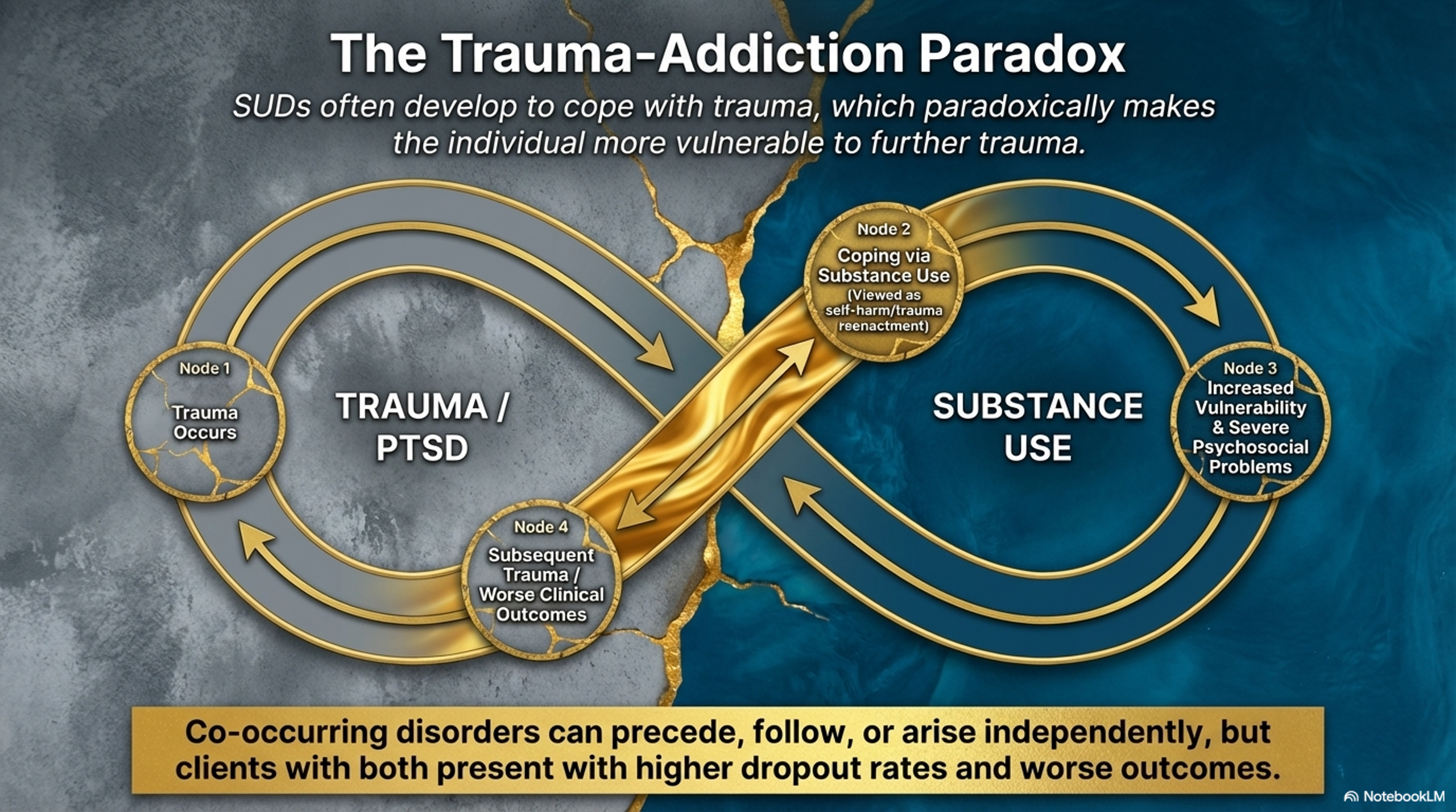
외상 후 스트레스 장애(PTSD)와 물질 사용 장애(SUD) 사이에는 높은 공존율이 존재합니다. 이는 임상적 **'역설'**로 정의됩니다. 개인은 압도적인 트라우마 증상에 대처하기 위해 약물을 사용하지만, 그 약물 사용 자체가 그들을 추가적인 트라우마 경험에 더 취약하게 만듭니다. 중독은 '도덕적 결함'이 아니라 '잘못된 대처 기제'—즉, 견딜 수 없는 고통을 관리하려는 시도임을 이해해야 합니다.
There is a high rate of comorbidity between PTSD and Substance Use Disorders (SUDs). This is defined by a clinical "Paradox": individuals often develop SUDs to cope with trauma, yet the substance use makes them more vulnerable to further trauma. This shift moves addiction from a "moral failing" to a "coping mechanism gone wrong"—an attempt to manage unbearable pain.
통찰 3: 치유의 화학: '적정'의 원리 (The Chemistry of Recovery: The Titration Principle)
공존하는 PTSD와 SUD를 치료하는 과정은 극도로 정밀해야 합니다. 한 화학도는 이를 '적정(Titration)' 원리에 비유했습니다. 산에 염기를 더할 때 한두 방울을 떨어뜨리고 상황이 진정되기를 기다린 후 다음 단계를 진행하듯, 트라우마와 중독 치료도 세심하게 '적정'되어야 합니다. 통합적인 치료만이 시스템이 과부하 되는 것을 방지할 수 있습니다.
The process of treating comorbid PTSD and SUDs requires extreme precision. A chemistry student offered a powerful analogy based on the principle of titration: adding a drop or two, observing the reaction, and letting it settle before proceeding. By carefully "titrating" interventions, we prevent the nervous system from becoming overwhelmed.
통찰 4: '상실된 이상'에 대한 애도 (Grief for the "Lost Ideal")
학대 이후의 슬픔은 항상 가시적인 대상의 사라짐과 연결되는 것은 아닙니다. 생존자들은 추상적인 개념들, 즉 '안전이라는 이상', '타인에 대한 신뢰', 혹은 **'당연히 누렸어야 할 어린 시절'**을 애도해야 합니다. 우리는 이를 위해 '애도 개입의 5V(Validating, Valuing, Verifying, Ventilation, Visionary)' 모델을 활용하여 보이지 않는 슬픔을 헤쳐 나갑니다.
Grief in the wake of abuse fundamentally includes the "loss of ideals." Survivors must grieve abstract concepts: the ideal of safety, lost trust, or the childhood they should have had. To navigate this, we utilize the 5 V’s of Grief Engagement (Validating, Valuing, Verifying, Ventilation, and Visionary work) to re-create meaning.
통찰 5: 해독제는 단순한 단주가 아닌 '연결' (The Antidote is Connection, Not Just Sobriety)
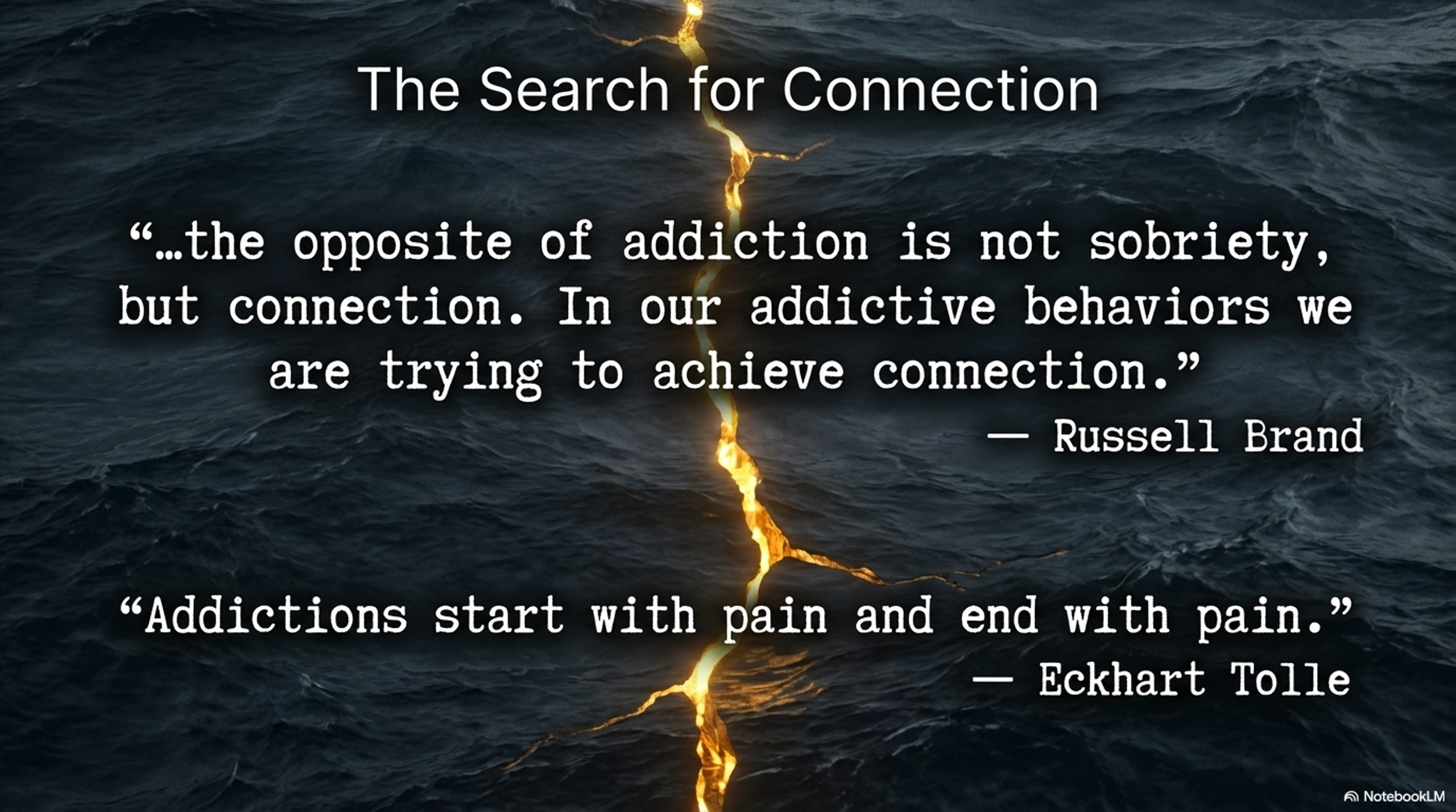
임상 치료는 행동의 중단에 집중하지만, 근본적인 인간의 필요는 더 본질적입니다. 작가 러셀 브랜드는 *"중독의 반대는 단주가 아니라 연결이다"*라고 통찰했습니다. 중독적 행동은 단절된 연결을 채우려는 필사적인 시도입니다. 진정한 치유는 고립된 상태에서의 절제가 아니라, 인간적 유대의 회복을 통해 이루어집니다.
While treatment focuses on stopping behaviors, the underlying need is fundamental. As Russell Brand noted: "...the opposite of addiction is not sobriety, but connection." If the root of the behavior is a severed connection, then true healing must involve the restoration of human bonds rather than mere isolation.
통찰 6: '유리 벽 뒤'의 삶: 해리의 실체 (Living "Behind Glass": The Reality of Dissociation)
많은 생존자에게 세상은 멀거나 파편화된 것처럼 느껴집니다. 이는 뇌의 방어 기제인 '해리(Dissociation)' 현상입니다. 생존자들은 종종 *"세상의 모든 것이 가짜 같고, 마치 유리 벽 뒤에 사는 것 같다"*고 표현합니다. 이 '유리'는 추가적인 고통으로부터 보호하는 방패 역할을 하지만, 동시에 치유 과정에 온전히 참여하는 것을 가로막는 장벽이 되기도 합니다.
For many survivors, the world feels fragmented—a neurological defense known as dissociation. Survivors often describe it as "living behind glass." This "glass" acts as a protective shield against further pain, but it also functions as a barrier that prevents the individual from fully engaging with their own healing.
결론: 닻 내리기 (Conclusion: Dropping the Anchor)
학대의 후유증은 복잡한 지형입니다. 이 지형을 통과하기 위해서는 안정화를 위한 실질적인 도구가 필요합니다. 수용전념치료(ACT)의 '닻 내리기(Dropping the Anchor)' 기법은 깨어 있는 상태에서 트라우마를 재경험하는 '각성통(Waking Nightmares)'을 관리하는 데 도움을 줍니다. 박스 호흡(Box Breathing), 신체 떨기(Shaking-off), 그리고 호흡 기도(Breath Prayers)를 통해 신경계를 진정시켜야 합니다.
The aftermath of abuse requires practical tools for stabilization, such as the "Dropping the Anchor" intervention from ACT. To ground the nervous system, I recommend practicing Box Breathing, Shaking-off exercises, and Breath Prayers. These tools help manage the "waking nightmares" of trauma.